Garden Office and Workshop Sheds: Sizing and Layout
Turn a shed into a usable office, workshop or studio. How to size each use, plus power, light, insulation, ventilation and layout tips for a hot climate.
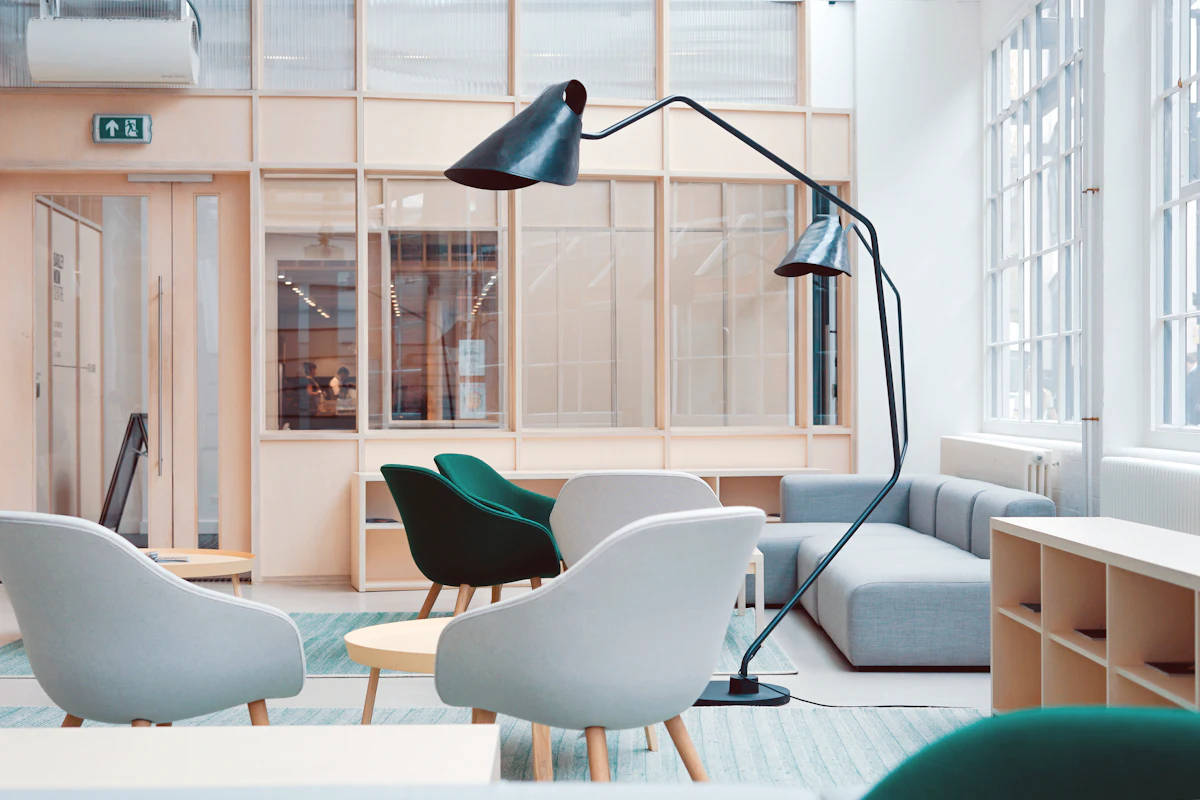
A shed no longer has to be a dark box for a lawnmower. With the right size, a little insulation and some power and light, the same structure can be a quiet home office, a proper workshop, an art studio or a hobby room. The difference between a usable room and a glorified store is almost entirely down to decisions made before you build: how big, how it is fitted out, and how it copes with the climate.
This guide looks at the main use-cases, how to size each one, and the practicalities of power, light, insulation, ventilation and layout, with the heat of a UAE summer firmly in mind.
Matching the shed to its use
Start by being honest about what the building is really for, because the requirements diverge fast. A storage shed needs to be dry, secure and the right size for what goes in it, and little else. A workshop needs working space around a bench, room for tools and materials, good light and ventilation, and often a wide door. A garden office needs comfort: insulation, glazing, climate control and a finished, quiet interior. A studio sits close to an office but often wants more natural light and wall space.
Trying to make one shed do everything usually produces a building that does nothing well. Decide the primary use first, then size and fit it out for that, allowing for one secondary use if you must.
Sizing each use
Size is the decision people most often get wrong, almost always by going too small. A few rough starting points help.
- One-person garden office: around 2.5 by 3 metres minimum, for a desk, a chair that can move, and some storage.
- Two-person office or office with storage: 3 by 4 metres or more, so it does not feel cramped through a full working day.
- Small workshop: 3 by 3 metres lets you put a bench against one wall with room to work and store tools; bigger if you use long timber or large equipment.
- Studio: 3 by 4 metres upward, prioritising clear wall space and light over fixed furniture.
Add headroom to the footprint. A workshop or studio benefits from extra ceiling height for tall equipment, racking and a less boxed-in feel, and that height is far easier to design in than to add later.
Power and light
Most occupied sheds need electricity, and getting it right starts at the design stage. Plan the cable route from the house, decide where sockets and switches go, and position lighting for the task: bright, even light over a workbench, softer and glare-free light over a desk. Building the routes and fittings in from the start gives a clean result; bolting them on afterwards rarely does.
Electrical work must be done safely and in line with local regulations, which in practice means a qualified electrician for the connection. Plan generously for sockets, because an office or workshop always ends up needing more than you first think.
Insulation and ventilation
This is where a UAE garden room lives or dies. A room you sit in through the day cannot be a sealed timber box in 45 degree heat. Insulation in the walls and roof keeps the worst of the heat out and makes any cooling far more effective and cheaper to run. Plan for air conditioning or strong ventilation in an occupied room, and add shading to windows that face the sun.
Ventilation matters even in a store. Vents at high and low level let hot air escape and fresh air in, reducing the oven effect and helping control humidity, which protects whatever is inside. For a workshop, ventilation also clears dust and fumes. Design these openings in deliberately rather than relying on opening a door.
Layout that works
A good layout makes a small room feel generous. In an office, put the desk where it gets daylight without screen glare, keep the door swing clear of the chair, and use wall-mounted storage to free the floor. In a workshop, place the bench under the best light, keep frequently used tools within arm's reach, and leave a clear path to the door for moving materials.
Think about the door and window positions early, because they fix where furniture and benches can go. A window in the wrong place can waste a whole wall. Sketching the furniture into the footprint before you build reveals these clashes while they are still free to fix.
Designing it before you build
Because so much depends on getting size, openings and fit-out right together, it pays to design before you commit. In the shedd.ae planner you can set the dimensions, position the door and windows, and generate a bill of materials, a cutting plan and assembly steps, so you can test whether your desk or bench actually fits and adjust before anything is cut. You can compare a 3 by 3 workshop against a 3 by 4 and see the difference in both space and materials.
Once the design works on screen, you can build it yourself from that plan, and if you are in the UAE you can ask the shedd.ae team to build it for you, complete with the openings and finish your office, workshop or studio needs.
Frequently asked questions
How big does a garden office need to be?
For a comfortable one-person office allow roughly 2.5 by 3 metres as a minimum, giving room for a desk, a chair to move and some storage. Two people or extra storage push you toward 3 by 4 metres or more.
Do I need insulation and ventilation for a garden office in the UAE?
Yes. A room used through the day in a hot climate needs insulation to keep heat out, ventilation or air conditioning to stay comfortable, and shading on sun-facing windows. Storage-only sheds need far less, but occupied rooms need climate control.
Can I run power and light to a shed?
Yes, but electrical work should be done safely and to local regulations, ideally by a qualified electrician. Plan the cable route, socket and light positions at the design stage so they are built in cleanly rather than added as an afterthought.
Plan your shed with AI
Turn these ideas into real dimensions, a materials list, a cutting plan and assembly steps.
Open the planner